

Le vernici sono uno degli elementi fondamentali nel nostro hobby. Su di esse infatti si dovrebbero concentrare le maggiori attenzioni di un modellista, poiché è proprio grazie a loro che si può decretare il successo di un modello. Le vernici modellistiche sono sostanze sintetiche a base di solventi che non attaccano la plastica, normalmente commercializzate in vasetti di vetro contenenti in media 10-18 ml di prodotto. Diciamo pure che il rapporto quantità/prezzo dei pigmenti non è di certo esaltante, per questo si deve porre una certa cura nel conservarli: in particolare si dovrà evitare di tenere i barattolini in un luogo troppo caldo, chiuderli bene assicurandosi di pulire i bordi con un po’ di carta allo scopo di eliminare la vernice che essiccandosi potrebbe bloccare il tappo, ed infine aggiungere di tanto in tanto qualche goccia dell’apposito diluente per rallentare il normale processo di essiccamento. Numerose sono le ditte produttrici di pigmenti modellistici, e fortunatamente negli ultimi anni le gamme a nostra disposizioni sono notevolmente aumentate limitando al minimo l’esigenza di mescolare le varie tinte per raggiungere la tonalità più esatta. Esse si dividono in due grandi famiglie: gli smalti e gli acrilici.
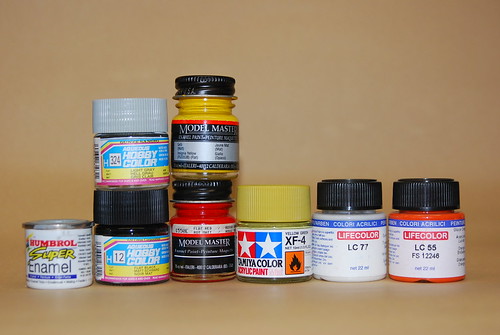
Gli smalti: queste vernici sono caratterizzate da un costo contenuto, da una notevole semplicità di impiego (adatte soprattutto ai modellisti meno esperti) e da una lunga durata nel tempo. Note negative risiedono nel cattivo odore che rilasciano e nella non esaltante finezza che tende a nascondere numerosi particolari. Questo difetto si accentua poi quando la vernice è stesa con l’utilizzo del pennello piuttosto che del fondamentale aerografo. Tra le ditte produttrici di smalti ricordo la Molak e la Humbrol, vere e proprie decane del nostro hobby! Con le loro vernici si sono fatti le ossa migliaia di modellsti, anche perché sono facilmente reperibili un po’ ovunque, persino nelle cartolerie. Più moderni invece i Model Master, molto più fini e fedeli, e gli Xtracolor le cui tinte sono soggette ad attenti studi storici per raggiungere la massima fedeltà nella resa.

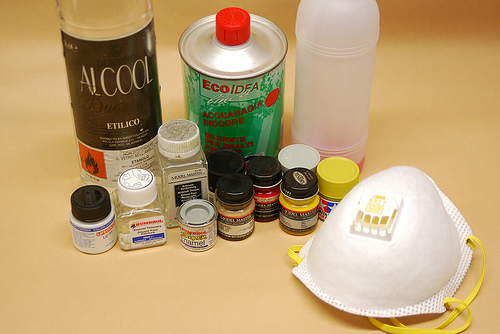
Gli acrilici: le tinte acriliche hanno un prezzo di acquisto molto superiore, ma l’estrema finezza dello strato finale unito ad un odore di gran lunga più sopportabile, le fanno preferire agli smalti. Anche se queste risultano meno aggressive all’olfatto, recenti studi hanno evidenziato come anch’esse contengano delle sostanze che una volta inalate tendono a permanere nei polmoni avendo un effetto potenzialmente cancerogeno: è per questo che consiglio sempre l’utilizzo di una mascherina per proteggere le vie respiratorie e di operare in un luogo ben aerato come già detto nel precedente post “Modellismo e Salute”. Inoltre gli acrilici non necessitano di uno specifico diluente, e possono essere “allungati” con dell’acqua (meglio se distillata) o dell’alcool etilico, quello utilizzato per i liquori; sconsiglio invece l’uso del comune alcool rosso (potrebbe alterare la tinta del colore) relegando il suo uso come solvente per la pulizia dei pennelli o degli aerografi data la sua convenienza. Tra le marche che producono queste vernici ricordo la Gunze-Sangyo, la Tamya, la Life Color e la Mister Kit.

Fatta questa breve ma fondamentale distinzione, si può dire che dopo la stesura ogni tipo di colore necessita di almeno 10 ore per la sua completa essiccazione. Il modellista poco paziente, che non sa aspettare il giusto momento per maneggiare il modello verniciato potrebbe lasciare delle antiestetiche “ditate” sulla superficie, oppure rigarla o alterarne la stesura. Per lo stesso motivo si dovrà attendere prima di passare un ulteriore mano di colore, pena la non perfetta adesione della stessa con la presenza di bolle o effetti buccia d’arancia. Per entrambe le famiglie di vernici esistono poi delle finiture lucide, semi-lucide od opache. Il mio consiglio è quello di usare pigmentazioni lucide per le superfici esterne allo scopo di favorire l’adesione delle successive decalcomanie, anche se per quest’ultime i tempi di lavorazione si allungano, arrivando ad attendere anche 12-14 ore prima che il modello sia lavorabile. Per un buon risultato è inoltre indispensabile preparare un strato di fondo su cui la vernice possa aggrapparsi: purtroppo per queste operazioni l’uso dell’aerografo è vivamente consigliato poiché la vernice viene stesa uniformemente e senza grumi. Ai modellisti neofiti è comunque propedeutico l’uso del buon vecchio pennello, ed anche se con qualche limitazione è possibile raggiungere dei risultati soddisfacenti, basta seguire le nove regole che vado ad elencare.
- Usare dei buoni pennelli, per un buon pennello non si spenderà mai troppo!
- Mescolare bene i colori prima dell’utilizzo, agitando la confezione a lungo.
- Non utilizzare mai colori troppo densi e non stendere mai una mano di colore più liquida su una più densa: quest’ultima potrebbe screpolarsi e staccarsi progressivamente.
- Applicare prima colori chiari, poi colori scuri.
- Verniciare tenendo il braccio su un piano di lavoro ed impugnare il pennello non troppo lontano dalle setole.
- Nel realizzare le mimetiche, disegnare le chiazze sopra la vernice di fondo con una matita morbida.
- Se occorre mascherare le zone dove non deve essere passato il colore, far aderire il nastro un paio di volte sul dorso della mano limitarne il potere adesivo: pena il possibile distacco dello strato di vernice sottostante.
- Non dipingere mai contro, ma sempre lungo il bordo del nastro adesivo per evitare che si formino gradini di vernice.
- Non esagerare nella quantità di colore. E’ preferibile stendere più mani per raggiungere il risultato voluto piuttosto che passare molto colore che lascia vedere segni delle pennellate.
Ben inteso che questo piccolo vademecum non deve essere rispettato alla lettera, ma va preso come linea guida per non incappare nei classici errori dei principianti. Con l’allenamento ogni modellista acquisisce un certa cognizione di causa divenendo sempre più padrone della tecnica adattandosi poi ad ogni tipo di situazione. Nel prossimo post parlerò del Federal Standard Color, cioè le tabelle di riferimento mondiali relative alle tinte in uso nelle varie aeronautiche. Ciao e buon modellismo! Starfighter.